What We Do

Services

Full breakdown of what we pour, repair, and tear out.

HomeServices

Everything we take on

Every job below is one we do ourselves across Visalia.

Concrete Driveways

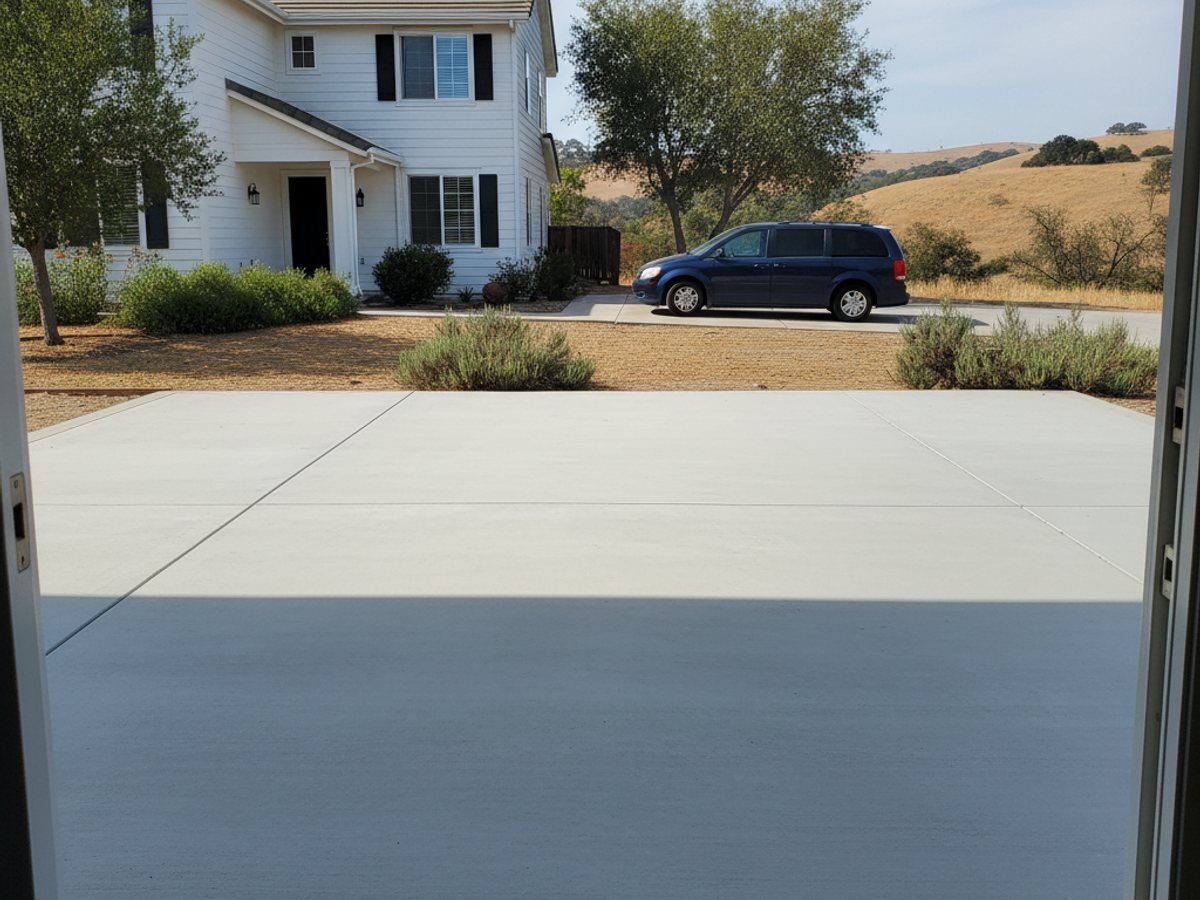
A driveway takes more abuse than any other slab on your property, tires, weight, temperature swings. We use rebar on every driveway pour and set control joints at spacing that matches the slab thickness, so cracks happen at the joint instead of across the middle.

Concrete Patios

We pour patios with a broom finish or stamped pattern, sloped away from the house so water doesn't pool against the foundation. Most patio jobs run four inches thick unless a hot tub or heavy planters are going on it, then we go deeper.

Stamped Concrete

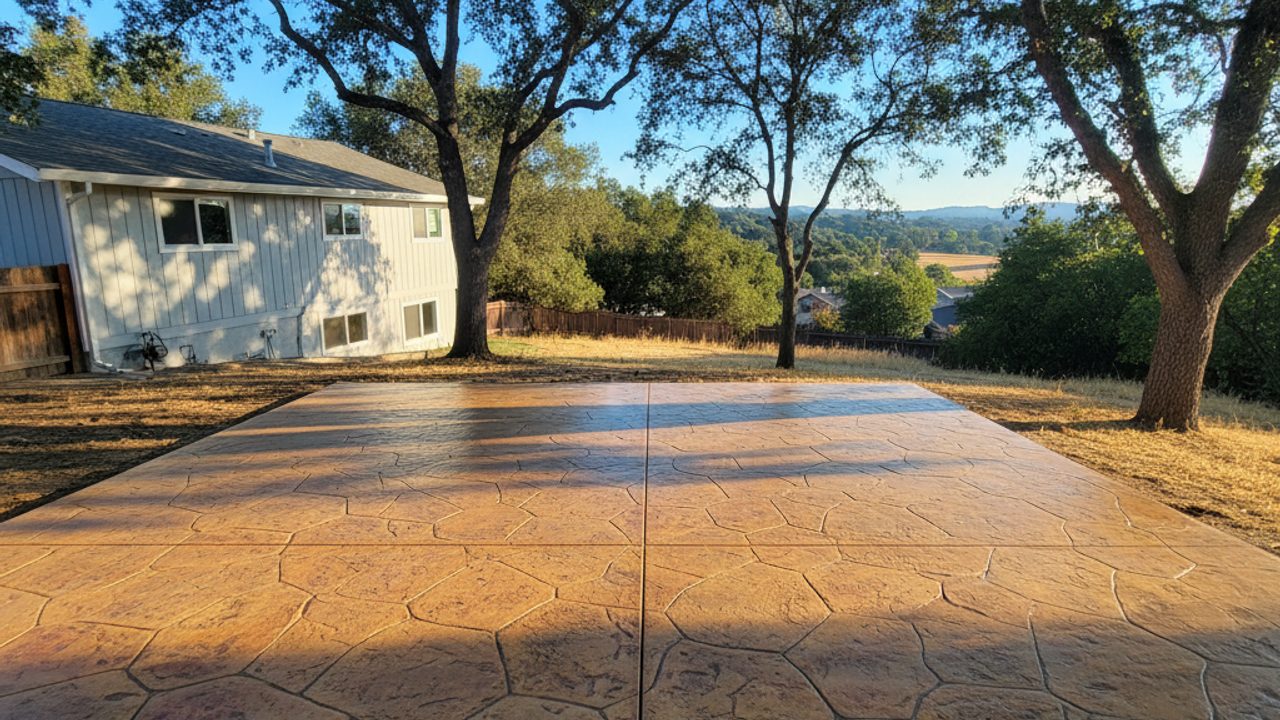
Stamped concrete gets you the look of pavers or flagstone without the joints where weeds come up. We color it before the pour and stamp it while the concrete is still plastic, and getting that timing window right is most of the job.

Concrete Repair

Cracked slabs, sunken sections, spalling from old age or bad sealing, we handle it. Sometimes a crack just needs to be routed and filled, sometimes the whole section has to come out and get repoured over a proper base.

Concrete Slabs & Foundations

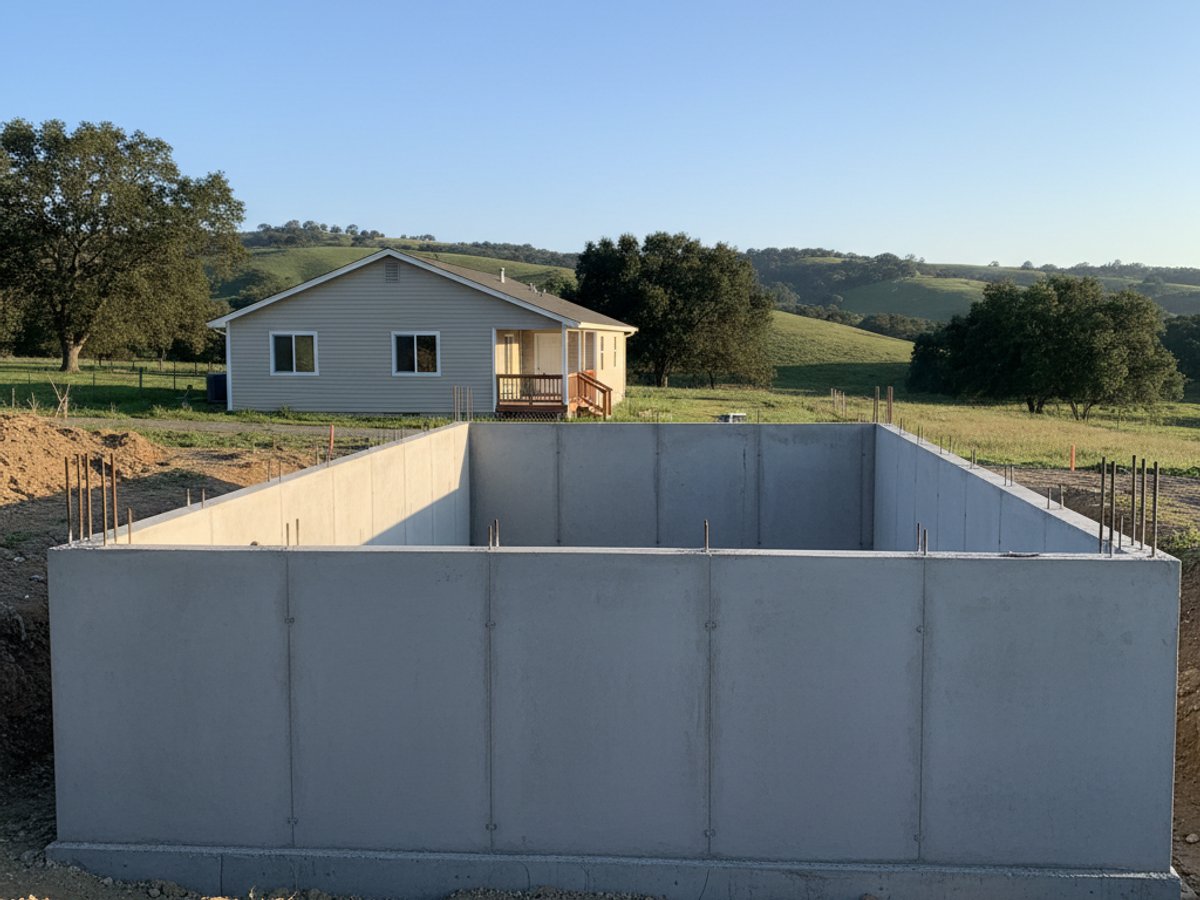
We pour slabs for garages, sheds, workshops, and equipment pads. Base compaction matters more here than almost anywhere else, a slab poured on loose fill will crack no matter how much rebar goes into it.

Concrete Sidewalks & Walkways

We pour and repair the walkways connecting your driveway, front door, and yard. City sidewalk sections have their own permit requirements in some areas, and we handle that paperwork when a project touches the right-of-way.

Concrete Steps & Stairs

Front steps and back porch stairs take a beating from foot traffic and weather. We form them with proper rise and run so they meet code and don't feel off underfoot, which happens more than people think with a DIY pour.

Concrete Overlays & Resurfacing

If your existing slab is structurally sound but ugly or worn, an overlay gives it a new surface without a full tear-out. We use this on faded patios and driveways that have lost their finish but haven't cracked or heaved.

Concrete Removal & Demolition

Before any new pour, the old concrete has to come out. We break it up, haul it off, and check the base underneath for the soil problems that likely caused the original failure.

Retaining Walls & Concrete Curbing

We build small retaining walls and curbing for landscaping, drainage, and driveway edges. These jobs use a different mix and rebar schedule than flatwork, since they hold back soil instead of just supporting weight.

How It Works

Four steps, and no surprises in any of them.

01

We come and look

You tell us what you want doing, we look at what is actually there, and we ask the awkward questions early.

02

You get a price

In writing, itemised, free. If something might add cost later we flag it now rather than at the end.

03

We do the work

Same crew throughout. We cover your floors, keep the dust down and tidy up before we leave each day.

04

We walk it with you

You point out anything you are not happy with and we fix it before the invoice, not after.

Where We Work

All of this, across Visalia, CA

Concrete crews available throughout this part of the valley.

Visalia, CA
Fresno, CA
Clovis, CA
Tulare, CA
Porterville, CA
Hanford, CA
Dinuba, CA
Lemoore, CA
Reedley, CA
Selma, CA
Corcoran, CA
Lindsay, CA
Common Questions

Things worth asking

Questions that usually come up once a project is actually scheduled.

Do I need a permit for a new concrete driveway or patio?
Many cities require a permit for new driveways, especially where the driveway meets the public sidewalk or street, while a simple patio replacement often doesn't. A concrete contractor should know the local permit requirements and pull any necessary permits as part of the job.
How long does a typical concrete driveway or patio take to pour?
Forming, pouring, and finishing a standard driveway or patio usually takes one to two days, depending on size and crew. The concrete requires about 24 to 48 hours before foot traffic and five to seven days of curing before a vehicle drives on it.
Can concrete work be done on a tight budget?
A plain broom-finished slab costs less than stamped or exposed aggregate concrete, and reducing the footprint or thickness where code allows can also lower cost. Cutting corners on base compaction or rebar to save money usually costs more later in cracking and repairs.
Do you guarantee your concrete work?
Most concrete contractors guarantee workmanship for a set period after the pour, separate from any manufacturer warranty on sealers or coloring products used. What's covered specifically is worth asking about, since normal shrinkage cracking within control joints usually isn't considered a defect.
Who will I be dealing with once the concrete project starts?
On most residential concrete jobs, the same crew lead who quoted the job manages it through completion, handling questions about finish, timing, and any changes. Larger commercial pours may involve a separate project manager coordinating the crew.
What kind of concrete mix and materials get used?
Standard flatwork uses a 3,000 to 4,000 PSI concrete mix, with rebar reinforcement recommended for driveways and anything bearing vehicle weight, versus wire mesh for lighter-duty patios and walkways. Stamped or colored concrete uses the same base mix with integral color or a color hardener added before stamping.
Can I still use my driveway or yard while the concrete work is happening?
Vehicle access to a driveway is blocked from the day forms go in until the concrete cures enough to bear weight, typically five to seven days. Foot traffic around a patio pour is usually restricted for the first day or two while the surface sets.
What should I do to prepare my property before a concrete pour?
Clearing the area of vehicles, patio furniture, and landscaping near the work zone ahead of time speeds up the job and avoids damage. Sprinkler lines and buried utilities in the pour area should be marked or capped before excavation starts.
What happens if a problem with the soil or an old slab turns up once work starts?
Unstable soil, buried debris, or an old slab that's thicker than expected can turn up once demolition or excavation begins, which usually means adjusting base prep or excavation depth. A reputable contractor explains the issue and any added cost before proceeding, rather than after the fact.
How do I take care of new concrete after it's poured?
New concrete should be kept damp or covered during the first week of curing in hot weather, and kept free of de-icing salt if used in colder climates. Sealing a driveway or patio every two to three years helps it resist staining and surface wear over time.

Not sure what you need?

Describe the problem and we will tell you what it probably is. No obligation.

Call (559) 234-0814